'I can't breathe': Eric Garner put in chokehold by NYPD officer – video
December 4, 2014 | The Guardian
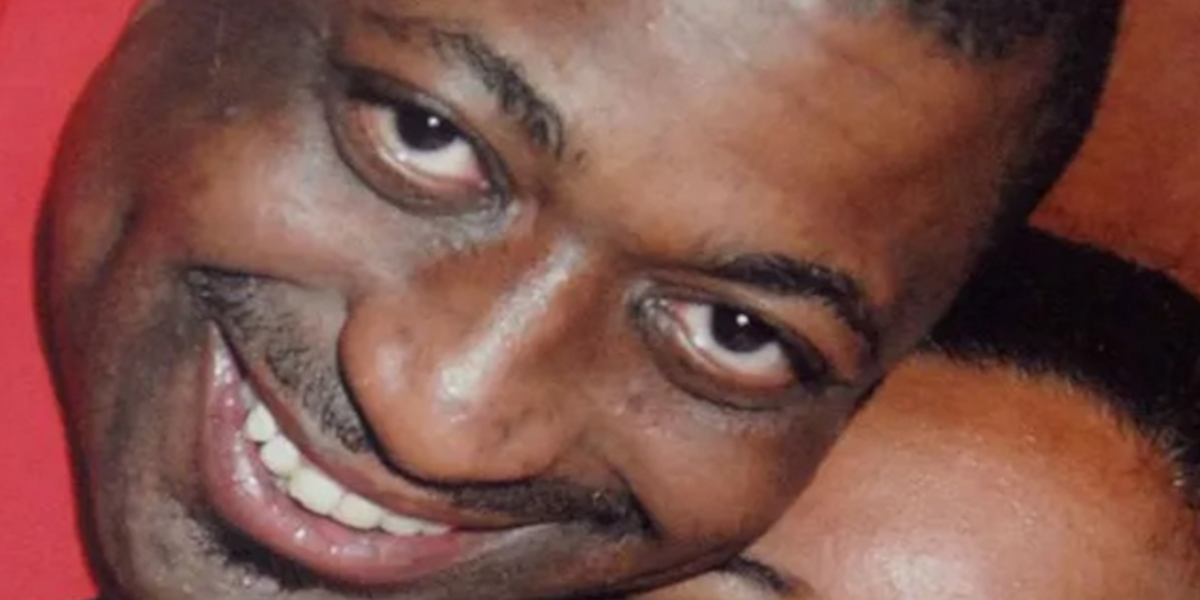
Eric Garner, a 43-year-old Staten Island man, was choked to death by a gang of NYPD on 17 July 2014. They squeezed the life out of him as he repeatedly said, “I can’t breathe.” While one of the killer cops applied a choke hold, another pinned Eric’s chest to the ground with his knee. As cops swarmed the scene, paramedics arrived and did nothing to save Garner’s life. Cellphone videos caught it all and went viral, sparking outrage and protests. Garner’s words “I can’t breathe” and “It stops today!” became a rallying cry in the streets in New York City and across the country.
From the get-go, eyewitnesses exposed the NYPD’s lies. The cops went after Garner’s friend Ramsey Orta, who took the most widely publicized video of Garner’s brutal killing. Just days after Police Commissioner William Bratton lashed out at people causing “interference” with the cops by videotaping arrests, police arrested Orta on gun possession charges and sent him to the Rikers Island hellhole. The cops also harassed Garner’s daughter Erica, who bravely publicized her father’s case in the streets of Staten Island until she died in 2017. The 120th precinct was notorious for treating the North Shore of Staten Island, where the borough’s black and Latino minorities are concentrated, as a hunting ground. The cops killed Irving Mizell there in 2013.
The local prosecutors and feds both refused to prosecute the cop who choked Garner to death, Daniel Pantaleo. This despite the medical examiner’s finding that death was due to the choke hold and chest compression. Pantaleo’s extensive complaint history only came out through an anonymous source. Pantaleo was fired in 2019, five years after Garner’s killing, based on a recommendation from the Civilian Complaint Review Board, the only time a CCRB recommendation has been followed. To this day the grand jury files are still under lock and key.
The cops claimed that Garner had resisted arrest for selling loose cigarettes, which is how he made some money after his asthma forced him to quit his parks department job. Pantaleo’s partner, Justin D’Amico, admitted later that he had fabricated the number of cigarettes Garner had been selling as 10,000 to make it a felony, when in reality he had less than 100. One of Garner’s friends put it bluntly the day after the killing: “There ain’t no justice.”
A father of six, Garner was a popular local figure, known for buying food and clothes for the down-and-out. He was “a giant teddy bear,” as one acquaintance put it. In fact, everyone at the scene outside Tompkinsville Park had seen Garner defuse a fight between two youths just before the cops began to attack him.
Eric Garner was from a “transit family.” His mother, Gwen Carr, was a subway train operator. His sister, Ellisha Flagg, is a bus driver, and his niece worked as a subway car cleaner. A number of Transport Workers Union Local 100 members came to Eric’s funeral. The Garner family ultimately won a settlement against the city and have set up the E.R.I.C. Initiative Foundation to fight against police brutality. Eric’s mother Gwen Carr has also written a book about navigating her grief and her struggles.
How many cases are there out there that are just like Garner’s but were not videotaped? The regular workings of the NYPD need to be exposed by opening all police archives to public scrutiny as an elementary act of self-defense for black people.